
"siphon glass care"
300 article(s) found
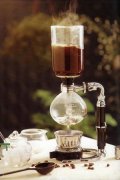
The history of siphon pot
In 1840, a glass test tube in a laboratory triggered the invention of the siphon coffee maker (Syphon). The British took the test tube used in Biya's chemical experiment as a model to create the first vacuum coffee pot.

How to make coffee in a siphon pot
First, fill the water-hook the filter element and fill the pot with hot water until marked with the "two cups" icon. Put the filter element into the pot, hold the end of the chain with your hand, and gently hook it to the end of the glass tube. Be careful not to release the hook suddenly, so as not to damage the glass tube of the pot. Second, ignite-insert the pot diagonally-wait for a big bubble to light the alcohol lamp, insert the upper pot diagonally, and let the rubber edge against the next pot.
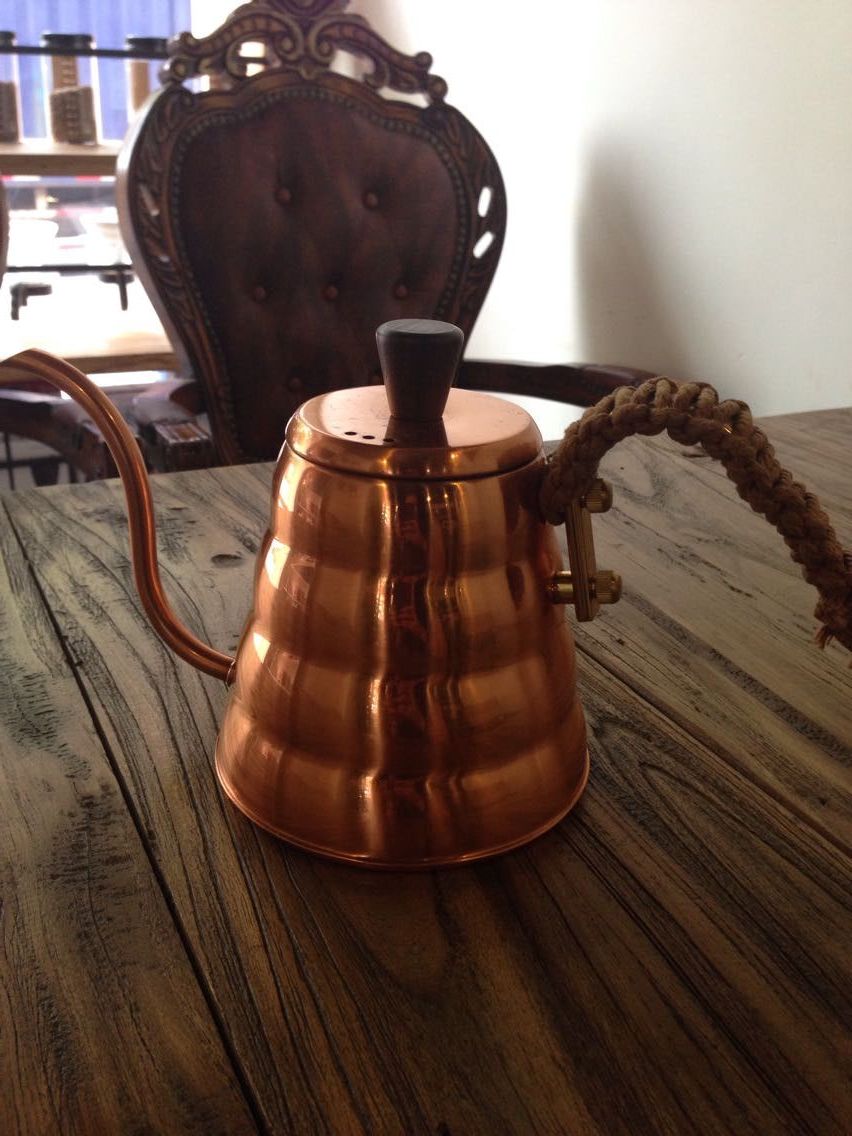
Recommend 6 common coffee pots in cafes
Hand filter cup features: simple, convenient and quick operation. It is also suitable for friends in the office and those who are at home (those who have high requirements for the taste of coffee). Accessories: hand flushing pot filter paper filter cup cone pot taste: can perfectly reflect the flavor characteristics of coffee siphon coffee pot introduction: siphon pot (Syphon) commonly known as "glass ball" or "siphon", is simple and easy to use

Cleaning method of siphon pot Flavor description of Coffee introduction of Grinding scale Variety producing area
The cleaning method of siphon pot the flavor description of coffee grinding scale the introduction of aestheticism to the Danes but the functional design of Peter who imported siphon pots from France in the mid-1950s. Bolton (Peter Bodum), who thought French-made pots were expensive and difficult to use, worked with architect Kaas Klaeson to develop Bodum's first styling siphon pot.

Homemade coffee analytical siphon pot
Siphon pot (Syphon), commonly known as "glass ball" or "siphon", is a simple and easy-to-use method of coffee brewing, and it is also one of the most popular coffee brewing methods in cafes. Although the siphon pot has the nickname of "plug wind type", it has nothing to do with the siphon principle, but uses water heating to produce water vapor, resulting in thermal expansion and cold contraction principle, push the hot water from the lower sphere to the upper pot, and then wait for the lower pot to cool.

Siphon coffee and hand coffee how to choose coffee beans siphon coffee brewing tips
Extracting a cup of fragrant coffee is an art, beautiful visual changes, people can not take their eyes off, the wonderful degree is like a performance. Unique personal style and strong personal flavor are all presented in this feast. There are many attractions of hand-brewing coffee. It is necessary to brew a cup of delicious boutique coffee with hand-brewing coffee.

How many graduations should I grind to boil coffee bean powder with siphon pot appliance
How many graduations should be ground when using siphon pot to boil coffee bean powder? When inserting the boiling lower seat into the upper seat of siphon pot, if the water quality is good enough, there will be no hot water boiling to spray. If the water quality is not good, be careful, because hot water may be sprayed when inserted into the seat, posing a risk of burns. Secret E--When the coffee off falls, from the lower seat in the upper glass tube

The development history of siphon pot how to make siphon coffee what is siphon pot? Principle of siphon pot
Professional coffee knowledge exchange more coffee bean information please follow the coffee workshop (Wechat official account cafe_style) siphon coffee, there are many names, the whole flower name outside English is called Syphon (Siphon) coffee or Vacuum coffee, Chinese can be English homophonic Saifeng coffee or English translation siphon coffee or vacuum coffee actually siphon coffee
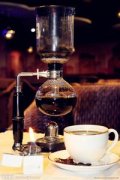
Analysis of homemade coffee: siphon pot
Siphon pot (Syphon), commonly known as "glass ball" or "siphon", is a simple and easy-to-use method of coffee brewing, and it is also one of the most popular coffee brewing methods in cafes. Although the siphon pot has the nickname of "plug wind type", it has nothing to do with the siphon principle, but uses water heating to produce water vapor, resulting in thermal expansion and cold contraction principle, push the hot water from the lower sphere to the upper pot, and then wait for the lower pot to cool.

Coffee common sense what is the skill of making coffee in a siphon pot
First, fill the water-hook the filter element and fill the pot with hot water until marked with the "two cups" icon. Put the filter element into the pot, hold the end of the chain with your hand, and gently hook it to the end of the glass tube. Be careful not to release the hook suddenly, so as not to damage the glass tube of the pot. Second, ignite-insert the pot diagonally-wait for a big bubble to light the alcohol lamp, insert the upper pot diagonally, and let the rubber edge against the next pot.

Balanced siphon pot for coffee brewing video correct use of Belgian coffee pot
Professional coffee knowledge exchange more coffee bean information Please follow the coffee workshop (Wechat official account cafe_style) if you want to create a beautiful atmosphere for drinking coffee, a beautiful glass siphon pot will be a good choice, but the Belgian coffee maker using the same principle is the first place. It is like the structure of experimental equipment, but it has the elegant and exquisite appearance of handicrafts.

Coffee brewing method: the basis of coffee-detailed introduction of the operation process of siphon pot
The basis of coffee-siphon pot operation process beaker, flask, alcohol lamp, which are generally believed to belong to chemical experiments are used to make coffee, this is the unique way of siphon coffee brewing. Siphon pot (Syphon), commonly known as "glass ball" or "siphon type" and "plug style", is a simple and easy-to-use method for brewing coffee. It is easy to operate and excellent for viewing.

How to make coffee and coffee utensils in a siphon pot
First, fill the water-hook the filter element and fill the pot with hot water until marked with the "two cups" icon. Put the filter element into the pot, hold the end of the chain with your hand, and gently hook it to the end of the glass tube. Be careful not to release the hook suddenly, so as not to damage the glass tube of the pot. Second, ignite-insert the pot diagonally-wait for a big bubble to light the alcohol lamp, insert the upper pot diagonally, and let the rubber edge against the next pot.

The correct use of siphon pots has nothing to do with siphon principles.
Professional coffee knowledge exchange More coffee bean information Please pay attention to coffee workshop (Weixin Official Accounts cafe_style) Syphon pot (Syphon) commonly known as glass ball or siphon type, is a simple and easy to use coffee brewing method, but also one of the most popular coffee brewing methods in cafes. Although siphon pot has siphon alias, it has nothing to do with siphon principle, but is produced after heating water.

Introduction to the use of siphon pot utensils the degree of grinding of coffee
1. After boiling the filter in hot water for 5 minutes, put it into the upper pot. The chain of the filter is pulled down through the wall of the upper pot to hang the hook and fine-tune to keep the filter in the center of the upper pot. Fill the pot with hot water to "two cups". Put the filter element into the pot, hold the end of the chain with your hand, and gently hook it to the end of the glass tube. Be careful not to release the hook suddenly so as not to damage it.
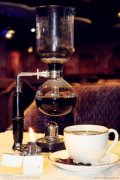
Coffee making skills homemade coffee analysis: siphon pot
Siphon pot (Syphon), commonly known as "glass ball" or "siphon", is a simple and easy-to-use method of coffee brewing, and it is also one of the most popular coffee brewing methods in cafes. Although the siphon pot has the nickname of "plug wind type", it has nothing to do with the siphon principle, but uses water heating to produce water vapor, resulting in thermal expansion and cold contraction principle, push the hot water from the lower sphere to the upper pot, and then wait for the lower pot to cool.
Coffee brewing skills introduction of siphon pot brewing coffee
(1) to wipe the pot dry, there must be no water droplets; to wipe the pot with a wet cloth, you must first wipe the bottom, then wipe the left and right sides. (2) the filter should be soaked in clean water or refrigerated to prolong the service life of the filter cloth; the spring under the middle filter should be tightened, the hook should be hooked and pulled to the center. (3) Coffee beans should be fresh and should not be damp or kept for too long. (4) Coffee is brewed freshly.
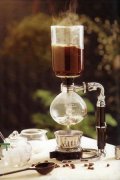
Coffee training: the History of siphon Pot
In 1840, a glass test tube in a laboratory triggered the invention of the siphon coffee maker (Syphon). The British took the test tube used in Biya's chemical experiment as a model to create the first vacuum coffee pot. Two years later, Mrs. Bachang of France improved the kettle, and the familiar upper and lower convection siphon pot was born. The siphon coffee maker lived in France for a long time.

Basic knowledge of siphon Pot how to use plug Pot
Syphon, commonly known as "glass ball" or "siphon", is a simple and easy-to-use method of coffee brewing, and it is also one of the most popular coffee brewing methods in cafes. Although the Saifeng kettle has the alias of "siphon", it has nothing to do with the siphon principle, but uses water heating to produce water vapor, resulting in the principle of hot expansion and cold contraction, pushing the hot water from the lower sphere to the upper pot and waiting for the lower pot to cool.

Coffee brewing method: Siphon pot history introduction and operation method
Siphon pot is the use of siphon principle, boiling water coffee powder, stew coffee flavor. Applicable coffee: slightly sour, medium alcohol coffee grinding degree: slightly coarser than powder, close to special grain fine sugar. Siphon coffee, let the living room into a coffee shop siphon brewing coffee, is a lot of coffee fans favorite. Some people say that because it can extract the most perfect parts of coffee, especially